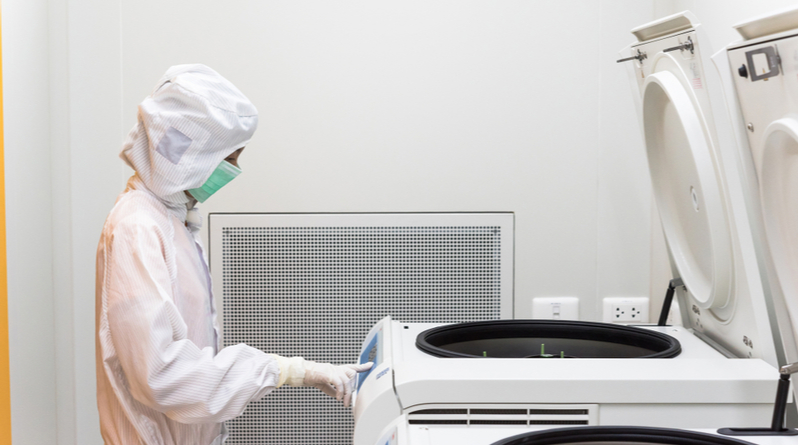
Cellular therapy is the transplantation of human cells to replace or repair damaged tissue and/or cells. With new technologies, innovative products, and limitless imagination, many different types of cells may be used as part of a therapy or treatment for a variety of diseases and conditions.
Cellular therapy products include cellular immunotherapies, cancer vaccines, and other types of both autologous and allogeneic cells for certain therapeutic indications, including hematopoietic stem cells and adult and embryonic stem cells
Universities and colleges in Ireland are offering courses in Cellular Manufacturing and Therapy in the following subject areas:
There are many courses in Cellular Manufacturing and Therapy that may take place over a few days, weeks or even 1 year to 4 years depending on the course and modules selected. There are also part-time courses and night courses available so you can be sure to fit in your studies no matter what your schedule is like.
Courses will cover theory work through lectures, assignments, tutorials and taught modules. Assessments will take place on a continuous basis with written examinations and practical assignments combined in order to achieve a qualification.
You could also consider work experience or a work shadow in the industry. Relevant work experience is a good way of demonstrating a genuine interest in the field and is regarded favourably by employers. To improve your chances try to get an insight into the workings of a hospital laboratory by arranging a visit to your nearest relevant laboratory before you apply.
Lab work can be difficult to obtain, so voluntary work with patients, for example, can also be useful. It's good to have a range of life experiences so you can show your range of skills.
Work Experience will not only give you the opportunity to obtain a deeper knowledge and understanding of the industry, it will also give you a chance to do some essential networking with other industry professionals and gain valuable contacts for the future.
After completing a Cellular Manufacturing and Therapy course you will be able to get started in a career that uses specific knowledge of cellular biology, analysis and interpretation.
As a clinical scientist working in Cellular Manufacturing and Therapy you are likely to be based in laboratories in large hospitals or other specialist laboratories. It is also possible to follow a research career, working in a university or research institute. Once qualified, you can progress by gaining experience and completing further study and research. Promotion is based on merit and you may need to move to other hospitals or research facilities to make the most of available opportunities.
There are opportunities to move into clinical research or to get involved in training and registration assessments. You can also develop your career by getting involved with professional bodies, taking on external professional roles or moving into advisory roles.
Working hours will depend on whether you are self-employed, employed by a facility with set business hours or if you are contracted to various businesses or companies. You will usually work a 37.5-hour week, although you may be required to work a shift pattern, including weekends and nights.
After completing a course in Cellular Manufacturing and Therapy, you may choose to pursue further study in a specialist field to increase your knowledge base and skill set. Postgraduate study can also be used as a means to change career focus or to gain professional qualifications required to practise in certain career areas such as Biochemistry, Neuroscience or Genetics.
What is the difference between gene therapy and cell therapy?
Gene therapy involves the transfer of genetic material, usually in a carrier or vector, and the uptake of the gene into the appropriate cells of the body. Cell therapy involves the transfer of cells with the relevant function into the patient.
Are there different types of cell therapy?
According to medical journals, there are more than 8000 active, or actively recruiting, clinical trials for cell therapies being developed for diverse diseases.
The most common type of cell therapy is blood transfusion, and the transfusion of red blood cells, white blood cells, and platelets from a donor. Another common cell therapy is the transplantation of hematopoietic stem cells to create bone marrow which has been performed for over 40 years.
Explore your options here