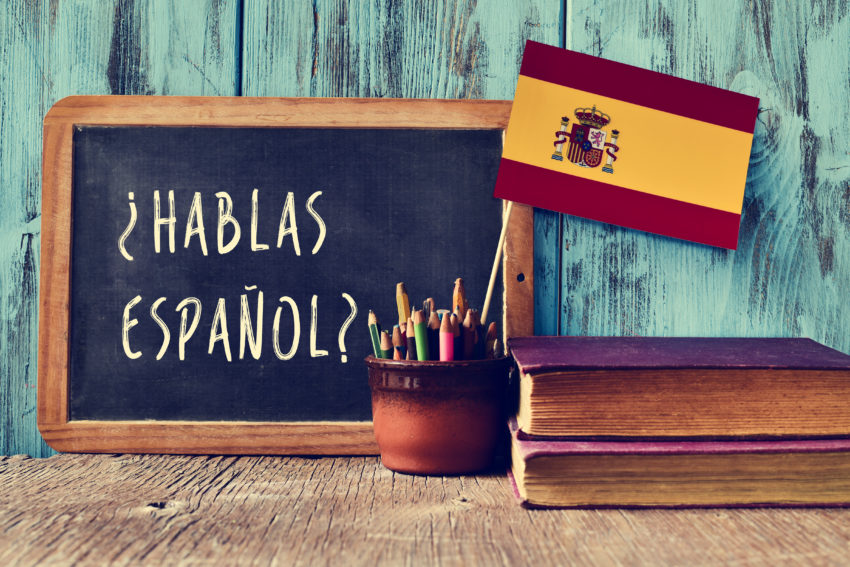
Spanish is the native language to over 500 million people worldwide. Additionally, it is second only to English in terms of the number of countries where it is listed as an official language. Spanish studies can refer to either the study of Spanish as a second language, or to the study of Spanish literature, culture, or history. Students interested in careers in Spanish language will study both the language and its history.
First year students will often combine their Spanish studies with additional subjects and electives. Students will be introduced to Spanish language, literature, and history in their first year, preparing them for more intensive study in the following years.
Language modules will be traditionally assessed using written, oral, and aural examination. At all levels students will be required to complete assessments in and out of class in addition to sitting for regular exams.
Most undergraduate Spanish courses will run for three or four years and in certain cases universities will facilitate work experience. Many programs will also encourage study abroad programs for students to learn the language through immersion in Spanish culture.
It is common with all humanities-based subjects that students are expected to complete a Capstone project. Students will research and write on a topic of their choice (in English or in Spanish) with the aid of a faculty mentor, ensuring their successful completion of a rigorous curriculum and preparing them for life after university.
A bachelor's degree is adequate for some non-research careers in Spanish language. For example, graduates with a bachelor's degree in Spanish may start working as arts administrators, translators or interpreters, diplomats or secondary school teachers. Some go on to work in publishing, tourism, law and business as well.
Graduating from college with a degree in Spanish will serve you well in the job market as it equips you with a unique and marketable skill. Spanish is a major language of the European Union, as such, knowledge of the language and literature opens up a world of opportunities to fluent speakers.
It is not uncommon for graduates to start off in 'entry-level' jobs. Many start their professional careers in international relations, tourism, translation and education.
Other careers in Spanish language that require a higher degree of responsibility will typically require further education, training and/or experience to qualify for, eg. teaching, research and diplomacy positions.
Most Spanish students work abroad or for international companies helping to translate and distribute media to multi-lingual customers. Many also go on to teach Spanish as a second language in primary and secondary schools.
An undergraduate Spanish degree is often the first step to go onto further postgraduate study often involving specialization in particular fields and areas of Spanish and/or undertaking work in new, sometimes interdisciplinary fields such as translation, diplomacy, or education.
Visit postgrad.ie for more information.
What points do I need to study Spanish?
Are there any particular qualities you need to study Spanish?
Where can I study Spanish?